So, you’re thinking about joining the e-bike revolution? Welcome! Electric bikes are exploding in popularity, and for good reason. They’re fun, practical, eco-friendly, and can completely transform your relationship with transportation, fitness, and recreation.
But with so many models, brands, and technical specs on the market, buying your first e-bike can feel overwhelming. Don’t worry—we’ve got you covered. This ultimate guide will walk you through every step of the process, from understanding the basics to making that final, exciting purchase.
1_Why do you want an e-bike?
Commuting: You need a reliable, efficient way to get to work, possibly with cargo for a laptop and lunch.
Recreation & Fitness: You want to enjoy long rides, tackle hills with ease, or extend your range on weekend adventures.
Cargo & Utility: You need to haul groceries, kids, or gear.
Replacing a Car: You’re looking for a primary vehicle for most errands and local trips.
2_Different Types of E-Bikes
E-bikes are designed with specific purposes in mind. Here are the main categories:
2.1_Commuter Bikes:
Are built to serve as practical transportation (daily travel). Making it easier to navigate urban environments. They typically feature a comfortable, upright seating position, which enhances visibility and reduces strain during rides. With electric assistance, these bikes help you tackle hills and longer distances with less effort. They often come equipped with features like fenders, racks, and lights for added convenience and safety. Plus, folding models in this category make it easy to store them in tight spaces or take them on public transport. Overall, they’re a great option for anyone looking to commute efficiently and comfortably.

2.2_Cruisers:
Are designed for comfort and often have features similar to commuter bikes. They provide a relaxed, upright seating position and usually offer a smoother ride due to larger tires and softer seats, making them ideal for leisurely rides and casual cycling.
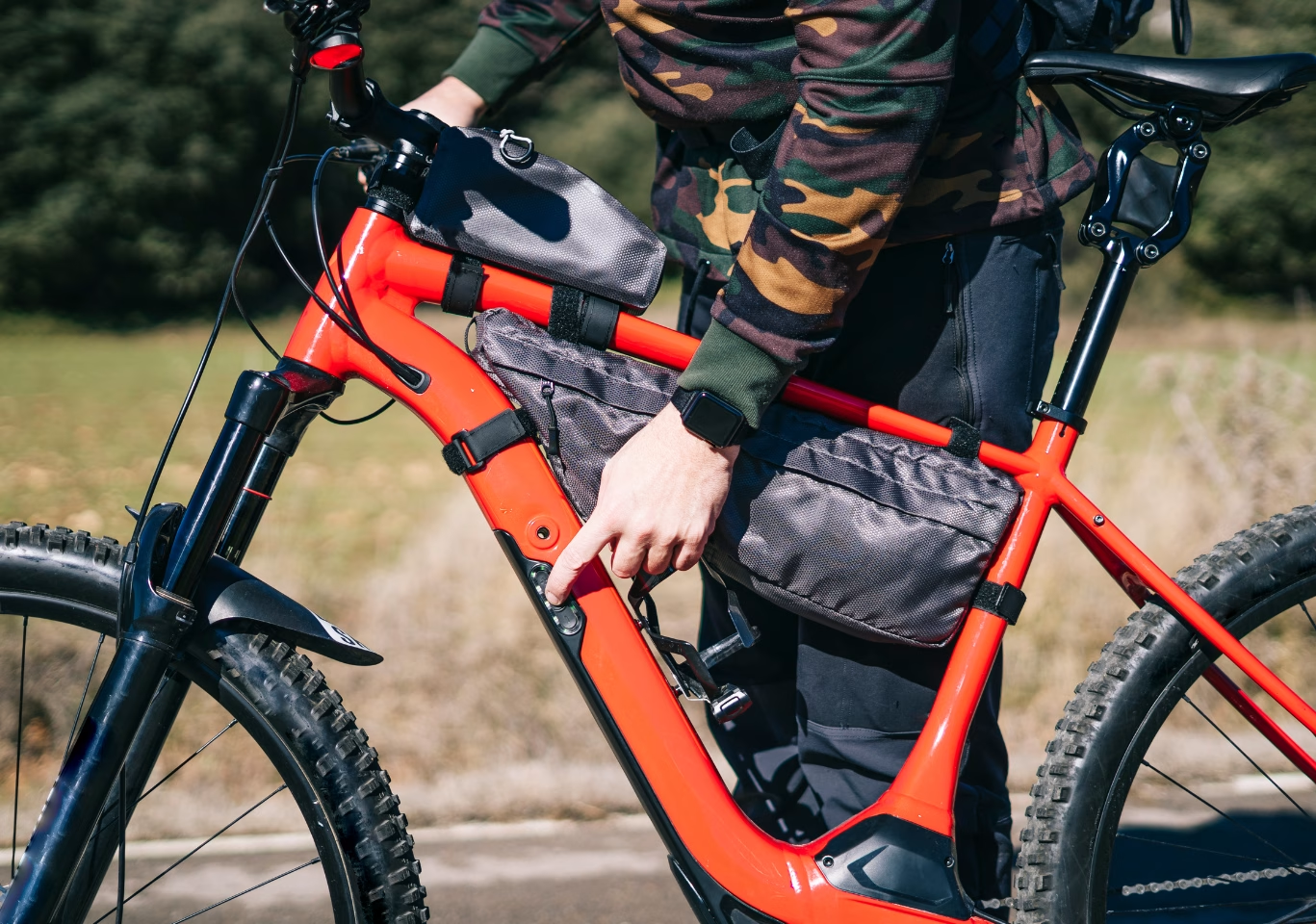
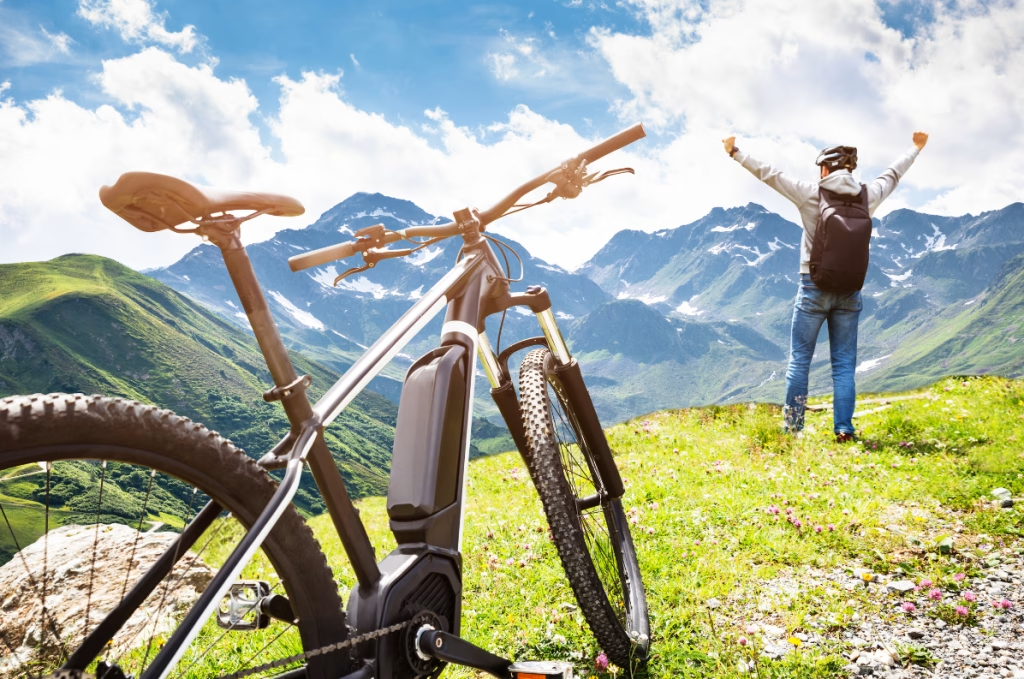
2.3_Mountain Bikes:
Are built with stronger frames, bigger tires, and sometimes longer suspension to handle rough paths, rocks, logs, and other tough obstacles. The fun part of mountain biking is speeding downhill with less effort, but getting there usually means pedaling uphill on loose, steep terrain, which can be tiring. Adding an electric motor to a mountain bike helps riders enjoy the downhill fun without getting too tired from the climb.
2.4_Cargo Bikes:
Are specially designed to carry heavy loads while providing electric assistance to make riding easier. Their strong frames, fat tires, and robust components make them the industrial beasts of the two-wheeled world, purpose-built to haul bulky items and extra passengers. They often have a large cargo area and can be used for transporting goods, groceries, or even children, making them a convenient option for running errands or making deliveries without using a car.
3_Decode the Key Technical Specifications
This is where many buyers get stuck. Let’s break down the most important terms.
1. Motor: The Heart of the E-Bike
The motor’s placement determines the bike’s feel and performance.
Mid-Drive Motor: Located at the bike’s crank and bottom bracket. It powers the chain, making it feel more like a natural extension of your pedaling.
Pros: Excellent for hills, better weight distribution, more efficient.
Cons: Often more expensive, can put more wear on the chain.
Hub-Drive Motor: Located in the center of the front or rear wheel. It pushes the wheel directly.
Pros: Simpler, often more affordable, provides a “push” sensation.
Cons: Can make the bike feel rear or front-heavy, less optimal for very steep hills.
Verdict: For most riders, especially those in hilly areas, a mid-drive motor is the premium choice. Hub drives are a great budget-friendly option for flatter terrain.
2. Battery: Your Fuel Tank
The battery determines your range.
Capacity: Measured in Watt-hours (Wh). A higher number means a longer potential range.
< 500Wh: Good for shorter commutes (10-25 miles).
500-700Wh: The sweet spot for most commuters (25-50 miles).
750Wh+: Ideal for long-distance rides or heavy cargo hauling (50+ miles).
Removability: A removable battery is incredibly convenient for charging indoors without bringing the whole bike inside.
3. Pedal Assist (PAS) and Throttle
Pedal Assist: The motor provides power only when you are pedaling. Most bikes have multiple levels (e.g., Eco, Tour, Sport, Turbo) that let you choose how much help you get.
Throttle: Usually a twist-grip or thumb lever on the handlebar that engages the motor without pedaling, like a scooter. This is great for getting a quick start from a stoplight or taking a break from pedaling.
Note: E-bikes are classified into three main classes in the U.S.:
Class 1: Pedal-assist only, with a top assisted speed of 20 mph.
Class 2: Pedal-assist and throttle, with a top assisted speed of 20 mph.
Class 3: Pedal-assist only, with a top assisted speed of 28 mph (often preferred by commuters for higher speed).
Check your local laws, as class regulations can vary by state and trail access.
4_Set Your Budget and Consider Hidden Costs
E-bikes range from a few hundred to several thousand dollars.
Budget ($500 – $1,000): Entry-level commuters and hub-drive models. Good for light use.
Mid-Range ($1,000 – $3,000): The best value. You’ll find quality mid-drive systems from reputable brands here.
High-End ($3,000+): Premium performance, lightweight materials, and advanced features for serious mountain bikers or enthusiasts.
Hidden Costs to Budget For:
Safety Gear: A high-quality helmet is non-negotiable. Lights, a bell, and a lock are essential.
A High-Quality Lock: Expect to spend $100-$150 on a robust U-lock or chain lock. Your investment is worth protecting.
Accessories: Panniers, phone mounts, fenders, and racks can add up.
Maintenance & Repairs: Factor in the cost of tune-ups, tire replacements, and brake pads.
5_The "Must-Do" Pre-Purchase Checklist
You’re almost there! Before you click “buy,” run through this list.
- Test Ride, Test Ride, Test Ride! This is the most important step. How does the bike feel? Is it comfortable? Is it too heavy? How does the motor engage?
- Check the Warranty. Look for a solid warranty on the frame (2+ years), motor (2+ years), and battery (500+ cycles or 2 years).
- Consider the Weight. E-bikes are heavy (50-70 lbs is common). Can you lift it? Do you have a safe place to store it?
- Get the Right Size. Just like a regular bike, fit is crucial for comfort and control. Use the brand’s sizing chart and get professionally fitted if possible.
Note: Before purchasing an electric bike, ensure that replacement batteries and accessories will be available in the future. It’s important to verify that you can find compatible parts for your specific e-bike model in case of damage. also make sure the e-bike fits your size
6_Conclusion
Buying an e-bike is an investment in freedom, health, and fun. It can turn a grueling commute into a joyful glide and open up new horizons for exploration. By taking the time to understand your needs and the technology, you can confidently choose the perfect electric steed to welcome you into a wonderful new world on two wheels.
Discover more from NutriTechDynamics | Smart Home & Supplement Reviews You Can Trust
Subscribe to get the latest posts sent to your email.